In this article
Learn how the latest updates to Guardian CAD are transforming dispatch operations, ensuring a frictionless flow of crucial incident data between the control room and frontline units – for a faster, more informed emergency response and greater overall efficiency.
March 2026
26.1 Release
Major updates and enhancements
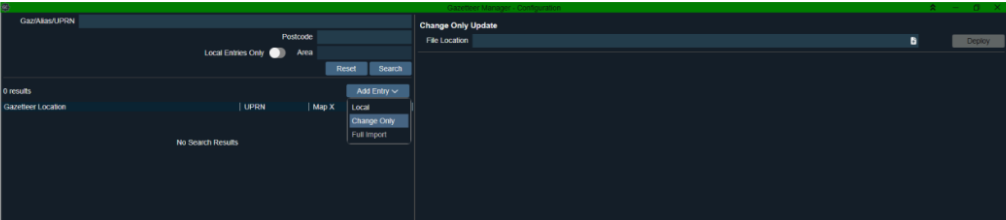
Introducing Gazetteer Manager
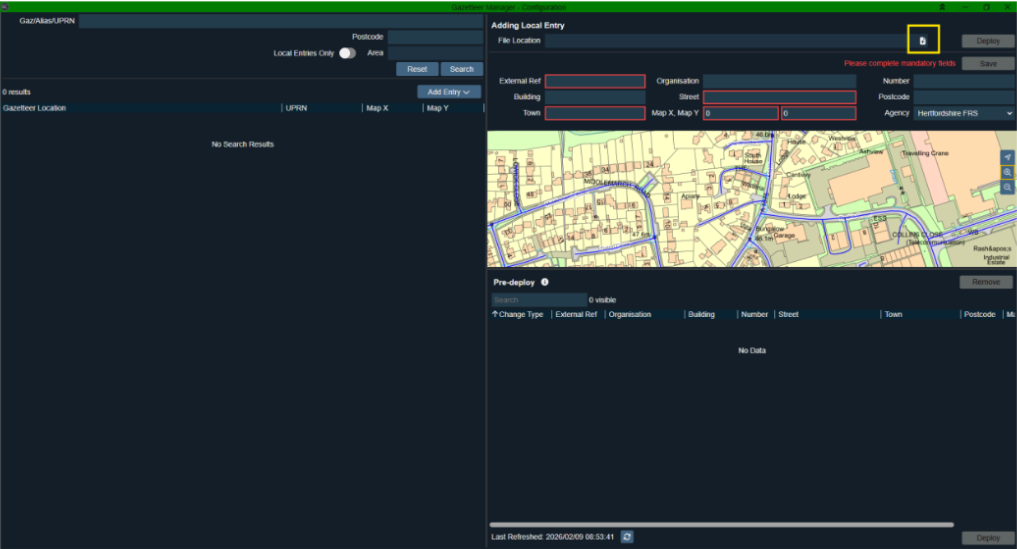
We’ve completely redesigned Gazetteer Manager with a brand new user interface, making it more user friendly and providing a simpler way to manage manual/local entries.
You can now easily handle your Gazetteer data using the new cloud-based Gazetteer Manager tools, which you can find on the Configuration Application Toolbar in Guardian CAD 26.1. Previously, you had to download and locally install an additional desktop app.
The new Gazetteer Manager also supports Hub working, meaning different agencies can work together smoothly to keep a shared Gazetteer up-to-date.
In 26.1, administrators can now:
- Search for a Gaz/Alias/UPRN, postcode or area
- Bulk-add local entries via CSV or add single entries through the UI
- Edit and delete local entries
Pre-deploy area
Gazetteer Manager now includes a pre-deploy area. This staging mechanism lets you quickly add multiple local entries and group them into a single deployment. When you click ‘Deploy,’ the system bundles your changes and adds them to the deployment queue. This helps make sure only your individual changes are published, preventing you from accidentally deploying another agency’s updates while working in a Hub environment.
Change Only Update
The Change Only Update feature allows you to save valuable time by directly adding or updating entries. These updates bypass the pre-deploy area and are sent straight to the deployment queue.
View deployment queue
Now you can quickly check the status of your deployments and see information about recent deployments from the last five days. You’ll find details such as the Change Type (Full Import, Manual Entry, Change Only Update), Deployment Status (Staged, In Progress, Failed, Complete) and any relevant failure messages.
Minor updates and enhancements
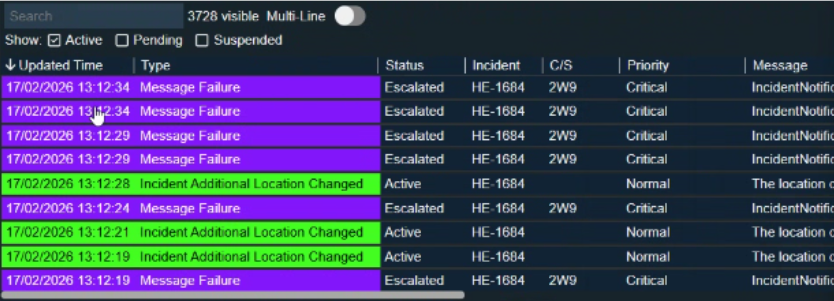
Updated time column
We’ve added a column in the Alerts window so operators can easily sort alerts by the last time they were updated. This minimises the risk that high-priority information is overlooked during an incident.
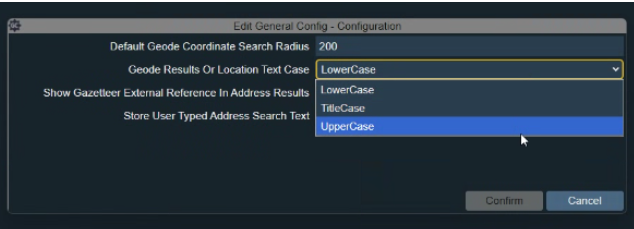
Improvements to incident type and location casing
The incident types and locations you see will now display the casing (either lowercase, uppercase or title case) exactly as it was entered in the Configuration app. This means that when you search for an incident type in the CTS or Incident List, the text in brackets will match how it was originally input, even for closed, late or test incidents.
Configuration screens
We’ve added new configuration screens for pre-defined texts, standby points, crew types, equipment and planned incident visit types. Administrators can easily apply system updates with improved performance and usability.
FireWatch integration improvements
Now, when you make a standby move in Guardian CAD, FireWatch automatically creates an event so your crews can see the details they need there. Also, if configured, when a resource type’s status changes in FireWatch (from red/amber/green), the corresponding resource type updates in Guardian CAD, letting you know the resource can only attend in a limited capacity.
Additional improvements
- Hotkey for system broadcasts: Access the system broadcast screen faster by opening it directly, rather than navigating through the toolbar.
- Custom alerts and system broadcast: Quickly schedule alerts and broadcasts on an hourly basis.
Go back to the top ↑
October 2025 (V5)
Informatives
Allows resources at an incident to send ongoing details (location, premises type, actions, safe systems of work, etc.) to the control room, ensuring an accurate and current picture of the incident ground.


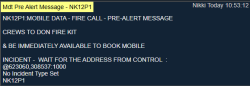
Automatic Pre-Alerts
This feature instantly notifies the quickest appliance on incident creation or pre-alerts with a two-click recommendation. This speeds up response times by automatically handling mobilization, eliminating the need for a control room operator to manually trigger pre-alerts.

Redesigned Configuration Areas
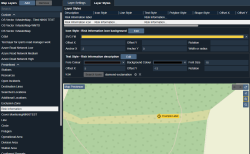
New UI/UX for easier creation and editing of areas like Map Layers and Message Templates, allowing administrators efficient flexibility in configuring the solution.
Road Manager
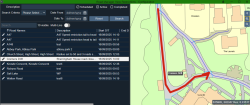
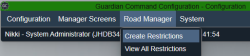
A new application designed to allow you to control and manage the Road Network data.
- Allows users to manage road network restrictions by marking roads as closed and adding weight, height, width, and speed restrictions.
- Now integrates configurable average speed data for more realistic routing and travel time
- Data is stored in a database (instead of CSVs), making new restrictions effective in routing calculations within seconds.
Improvements to Repeats
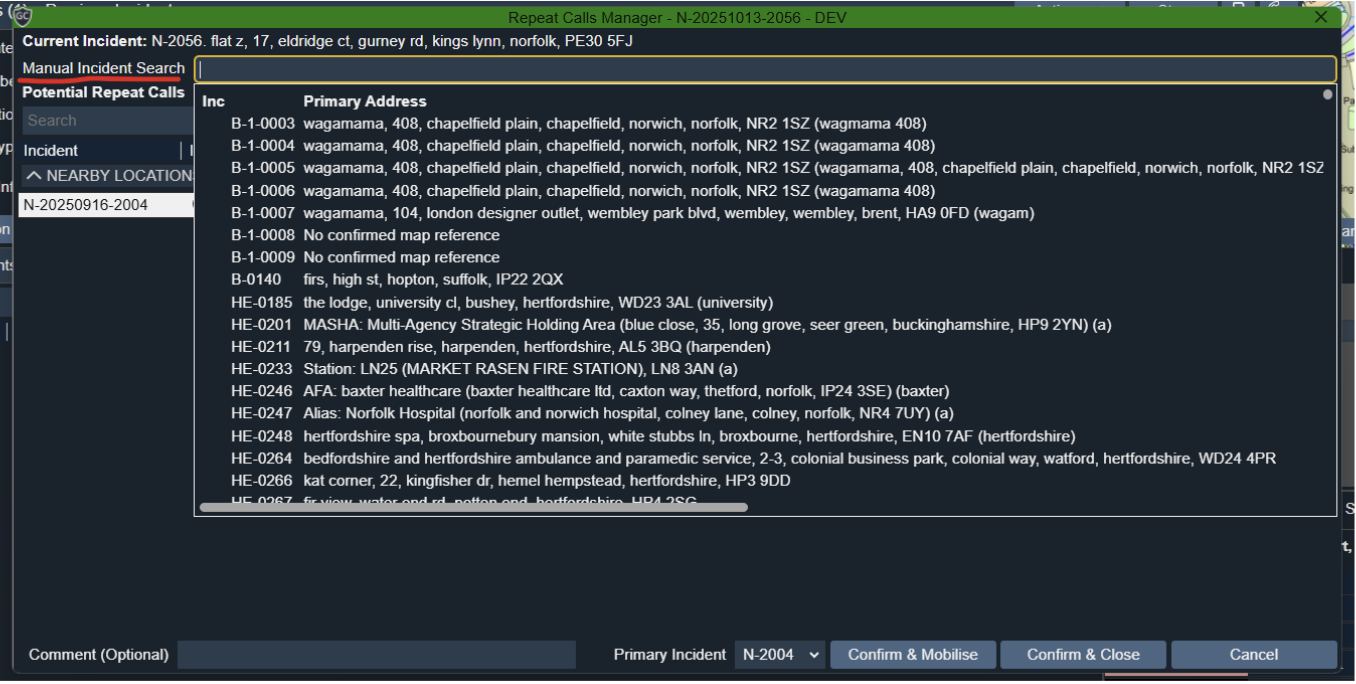
Manual Incident Search was added to the Repeat Calls Manager to allow a user to select an open incident and confirm it as a repeat call. This allows incidents that fall outside of the parameters of a repeat call to still be closed as a repeat, giving the user greater flexibility.
Go back to the top ↑
June 2025 (V4)
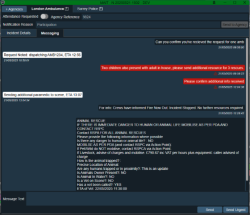
Multi-Agency Incident Transfer (MAIT)
Integrated via AVR, allowing FRS to send and receive MAIT incidents and messaging between agencies. Incidents can be sent with key information pre-populated and attendance requested.
Custom-Built Proformas
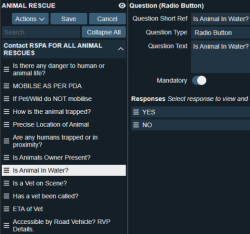
Allows users to build dynamic proformas within Guardian CAD with configurable sections and question types (e.g., free text, date/time, dropdown list, radio buttons) – enabling easy accommodation of specific data collection needs.
Proforma Against a Response
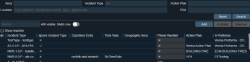
Enables configuration of a proforma against a response record, so when an operator triggers a response, the solution automatically provides the correct form.
Accept or Reject Incident Transfers (Hubs)
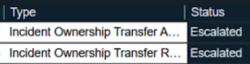
In a hub configuration, Guardian CAD can be set so that operators only request to transfer an incident. The receiving agency can then choose to accept or reject the incident, ensuring the transfer timing and information are correct.

Ad-Hoc System Broadcasts
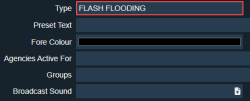
Allows administrators to configure a list of system broadcasts with options for type, text, color, active agencies, sound, and icon. This helps supervisors quickly alert control room members to important context (e.g., adverse weather or major incidents).

Custom Alerts
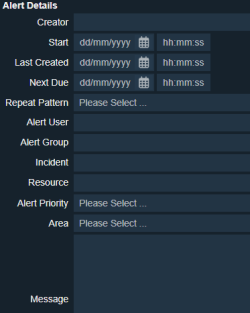
Allows custom alerts to be recorded against an open incident or active resource. When the alert is raised at the set time, it contains the incident or resource in the applicable column, allowing the operator single-click access.
Configuration Screens
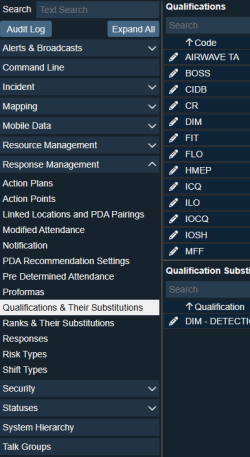
Adds new configuration screens for alerts, notifications, qualifications, ranks, PDA pairings, and device types for resources, personnel, and stations. This enables administrators to easily apply system updates with improved performance and usability.
Go back to the top ↑
March 2025 (V3)
Pre-Defined Roles
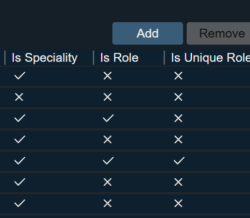
This feature adds a new column to qualifications to flag them for use with incident roles. This ensures that both the dispatcher and the officer clearly understand the officer’s specific role for an incident, reducing confusion.
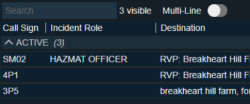
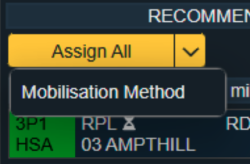
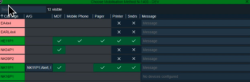
Change Turnout Method
Operators can now select alternative peripherals (sounders, lights, MDT, etc.) and add free text to a resource’s mobilisation. This allows an operator to amend the default turnout method(s) and add specific details to the mobilisation message when required.
“With Equipment” for PDAs
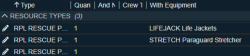
This allows an equipment requirement to be added to a resource attribute for PDA recommendations. This minimises costly, unnecessary additional pump deployments by ensuring one pump includes the relevant equipment, instead of specifying them separately.
Multiple Resources Lists With Filtering
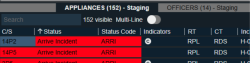
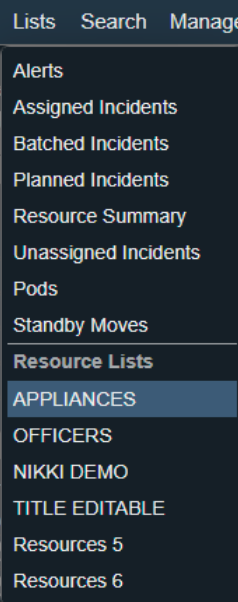
Dispatchers can now open and name multiple resource lists simultaneously and apply filters to each individual list. This provides a more organised and efficient view of available resources.
Station Manager Screen
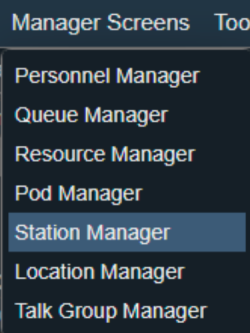
A new station manager screen was added to match existing manager screens (e.g., personnel, resource, pod). This makes it easier to see all stations and their detail in one place, removing the need to manually locate each one on the Map view.
Location Manager Improvements
Location manager now enables you to search and filter for specific terms before displaying any records, preventing potential startup delays.
Turnout Delays Based on Status
Different turnout delays can now be configured based on a resource’s current status, instead of being set against individual resources. This provides more flexibility and accurate estimated response times.
Request to Speak Implementation
When an operator answers a “request to speak” on Guardian ICCS, the Add Log Entry window automatically opens in Guardian CAD, and will pre-populate the call sign and associated incident. This streamlines the process and reduces manual data entry.